
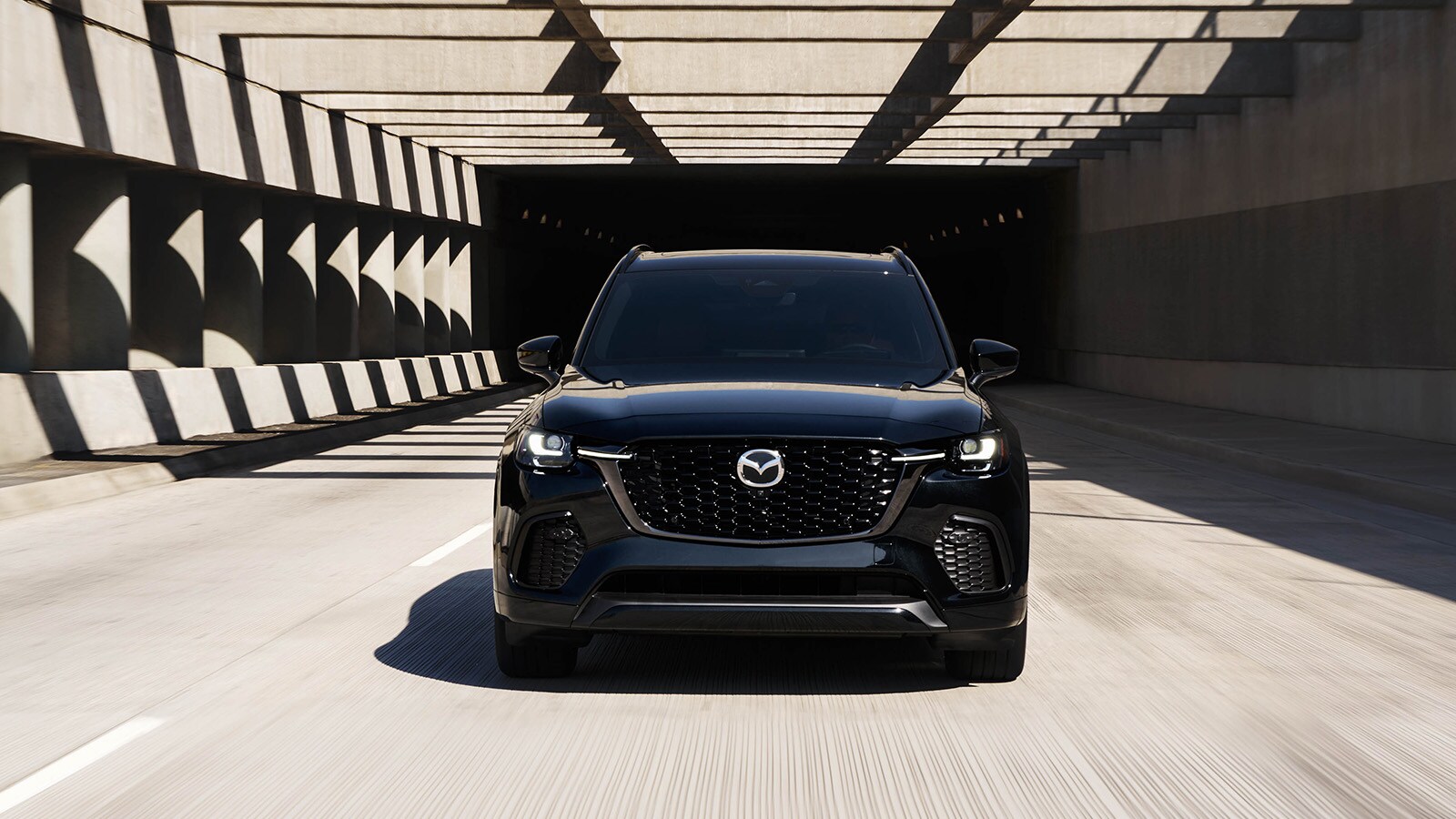
A drive from Wellesley toward the Berkshires can take you from highway traffic to winding roads and busy village parking lots. At Wellesley Mazda, part of our parent dealer group, Shaker Auto Group, we help shoppers compare Mazda models with those different stretches in mind. The most useful starting point is understanding which systems help manage following distance, which provide warnings, and which can add steering assistance while you remain responsible for driving.
Key Takeaways
- Adaptive cruise control helps manage following distance, while the driver remains responsible for braking.
- Lane-departure warnings and steering assistance perform different jobs.
- Blind-spot alerts support mirror and shoulder checks during highway lane changes.
- Equipment varies by model and trim, and poor visibility can limit system operation.
Adaptive Cruise Control for Highway Drives From Wellesley
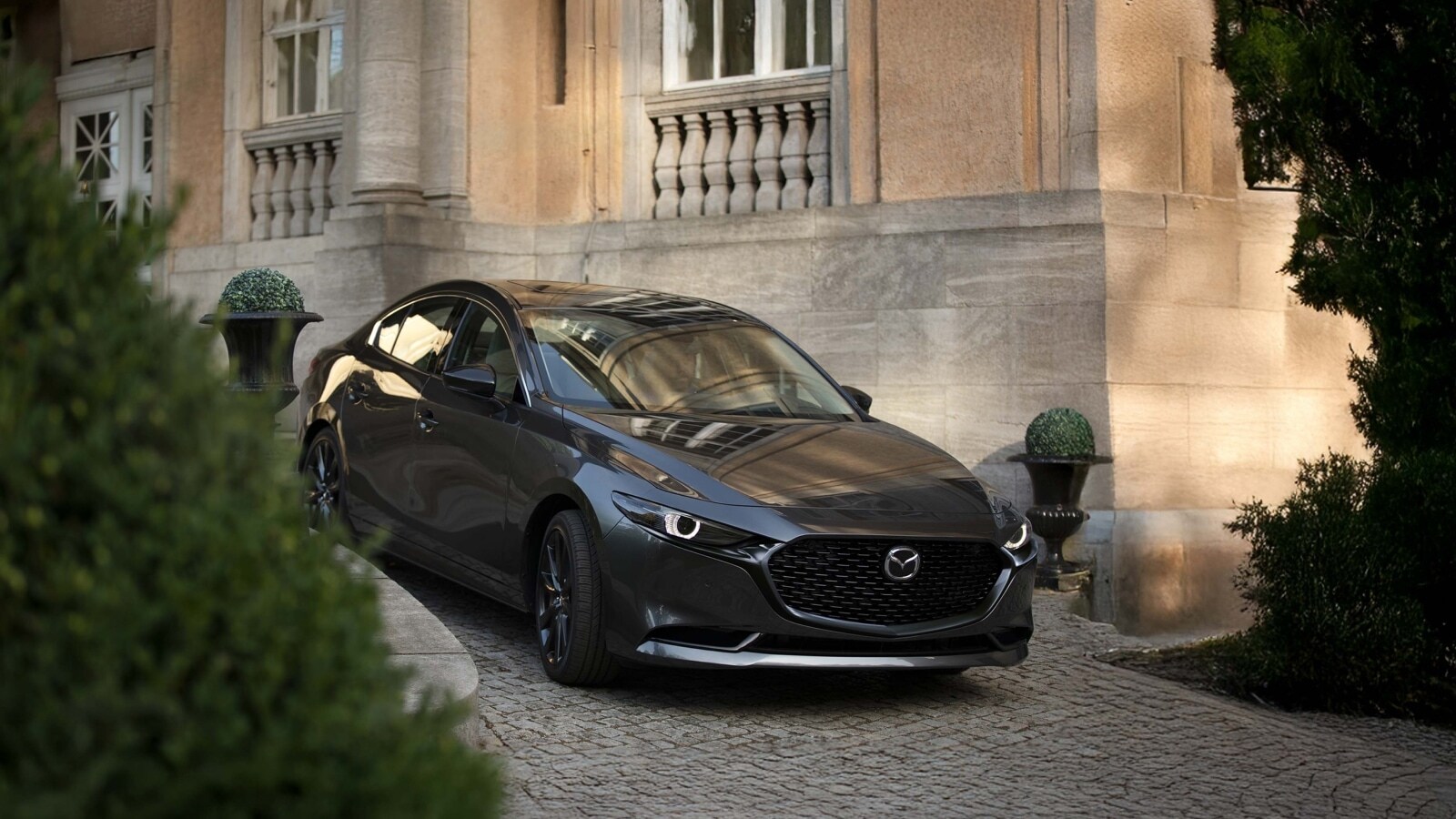
Mazda Radar Cruise Control with Stop & Go, Mazda’s adaptive cruise system, adjusts speed to help maintain a selected following distance and can bring an equipped vehicle to a stop under appropriate conditions. For the highway portion of a Berkshire trip, that means assistance responding to changes in the speed of traffic ahead, rather than simply holding one fixed speed.
The CX-30 includes Mazda Radar Cruise Control with Stop & Go as standard equipment, including on the 2.5 S. The CX-70 also includes Mazda Radar Cruise Control with Stop & Go as standard, giving shoppers another option when they want a larger SUV for weekend travel.
Whether you are leaving Wellesley or joining the trip from Needham, learn the following-distance controls before setting out. Mazda Radar Cruise Control does not anticipate every developing situation, and a sudden cut-in or hard-braking vehicle can require immediate driver braking. Mazda also warns against using Mazda Radar Cruise Control on roads with sharp curves, so the transition from highway travel to winding scenic roads matters.
Lane Warnings and Steering Assistance on Winding Roads
Lane Departure Warning System, Mazda’s lane-drift warning function, alerts you when the vehicle may unintentionally leave its lane, while Lane-keep Assist System can provide steering assistance to help avoid that departure. One calls your attention to lane position; the other can also act through the steering wheel.
The CX-50 includes Lane Departure Warning System and Lane-keep Assist System as standard equipment. These functions support your driving, but they do not choose the right path through a bend or replace steering input. Lane recognition depends on conditions, including whether the camera can identify the road markings.
Cruising & Traffic Support, Mazda’s system combining following-distance control with steering assistance under specified conditions, provides a different type of support. On the CX-30, Cruising & Traffic Support comes on the 2.5 Turbo Premium Plus. Unlike a lane-departure correction, Cruising & Traffic Support can provide ongoing steering assistance when its operating requirements are met. It remains a hands-on system, not permission to look away from the road.
For shoppers comparing CX-30 trims, we can help narrow our current selection at Wellesley Mazda to vehicles equipped with Cruising & Traffic Support.
Blind-Spot Alerts for Highway Lane Changes
Blind Spot Monitoring, Mazda’s system for detecting certain vehicles approaching from behind in adjacent lanes, helps you check for traffic before changing lanes. Warning lights in the outside mirrors provide a useful additional cue, but you still need to check the mirrors and surrounding area yourself.
Blind Spot Monitoring is standard on the CX-30 and CX-50. When comparing vehicles, ask where the warnings appear and how the alerts change when you signal toward detected traffic. Understanding those cues makes the system easier to use during the highway portion of a trip.
Blind Spot Assist, a steering-assistance function designed to help avoid certain collisions with adjacent-lane traffic, goes beyond a warning. On equipped CX-70 trims, Blind Spot Assist is included within Emergency Lane Keeping, Mazda’s group of steering-support functions for specified lane-departure and collision-risk situations. Compare an equipped CX-70 with the other trims you are considering if that additional intervention matters to you.
The CX-90 also offers Blind Spot Monitoring. Its operating limitations include steep slopes and unusually wide roads, useful details to understand before relying on familiar alerts in a different driving environment.
Parking Assistance at Berkshire Destinations
Rear Cross Traffic Alert, Mazda’s warning system for certain vehicles approaching from either side while you reverse, can help when backing out between parked vehicles. It addresses a different situation from Blind Spot Monitoring, which supports lane changes while driving forward.
When comparing rear cross-traffic assistance at crowded destinations, start with the CX-30 and CX-50, which include Rear Cross Traffic Alert as standard equipment. A crowded parking area is also a good reason to ask how nearby vehicles or other obstructions can affect detection and visibility. Continue backing slowly and checking around the vehicle rather than waiting for a warning.
Limits in Fog, Rain, and Low Sunlight
Fog, heavy rain, and glare can interfere with the camera’s view, while poor weather can also affect radar detection. Assistance may become restricted or unavailable just when road conditions demand more attention.
The CX-50 and CX-70 use radar sensors for functions including Mazda Radar Cruise Control and Cruising & Traffic Support. Mazda identifies inclement weather and reduced forward visibility among the conditions that can prevent correct detection. Do not assume radar-based assistance will work normally simply because it uses something other than a camera.
Part of preparing a Mazda for New England weekend travel is learning the instrument-panel messages and keeping the windshield and sensor areas unobstructed. When driving west into low sunlight or entering rain, watch the road rather than testing whether a system will respond. If assistance becomes unavailable, continue controlling speed, spacing, and steering yourself.
Standard Equipment, Trim Upgrades, and Safety Recognition
The CX-30 2.5 S already includes several features relevant to this trip, while the 2.5 Turbo Premium Plus adds Cruising & Traffic Support. That gives shoppers a concrete comparison: both provide Mazda Radar Cruise Control with Stop & Go and Blind Spot Monitoring, but their steering-support equipment differs.
For drivers coming from Natick to compare SUVs in Wellesley, we can explain the controls alongside the actual vehicles. We can also walk through which functions are standard and which require a particular trim, rather than treating the entire lineup as identically equipped.
If understanding Mazda safety recognition is part of your research, keep that discussion tied to the specific model and the recognition it received. For this purchase decision, the next useful step is connecting that information with the equipment and operation of the vehicle you are considering.
Test Drive a Mazda in Wellesley
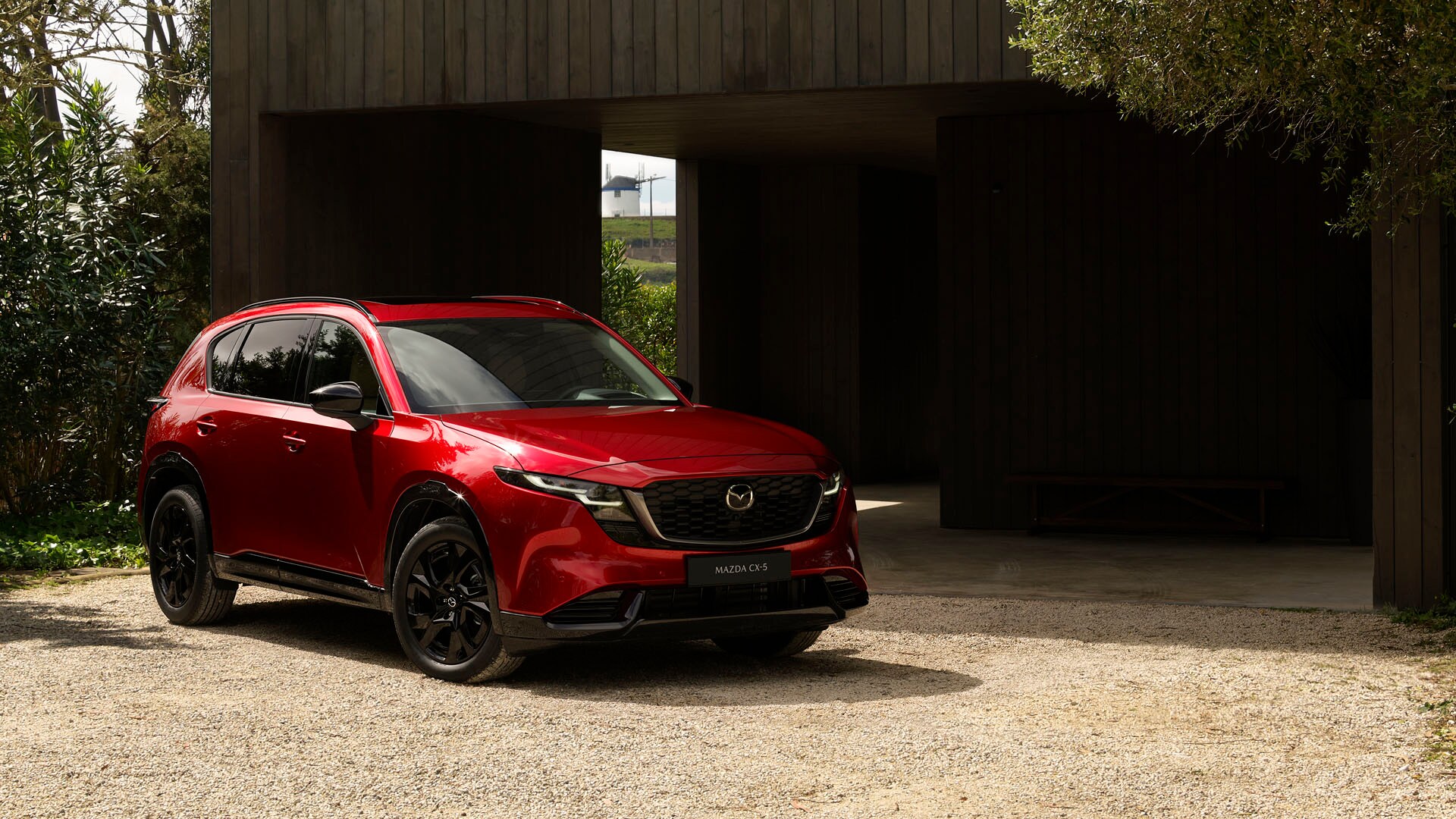
Visit Wellesley Mazda in Wellesley, part of the Shaker Auto Group, to test drive a vehicle from our current inventory. We’ll help you compare available Mazda models and trims and get comfortable with the controls before your next drive toward the Berkshires.
*Penned by AI, polished by humans
