
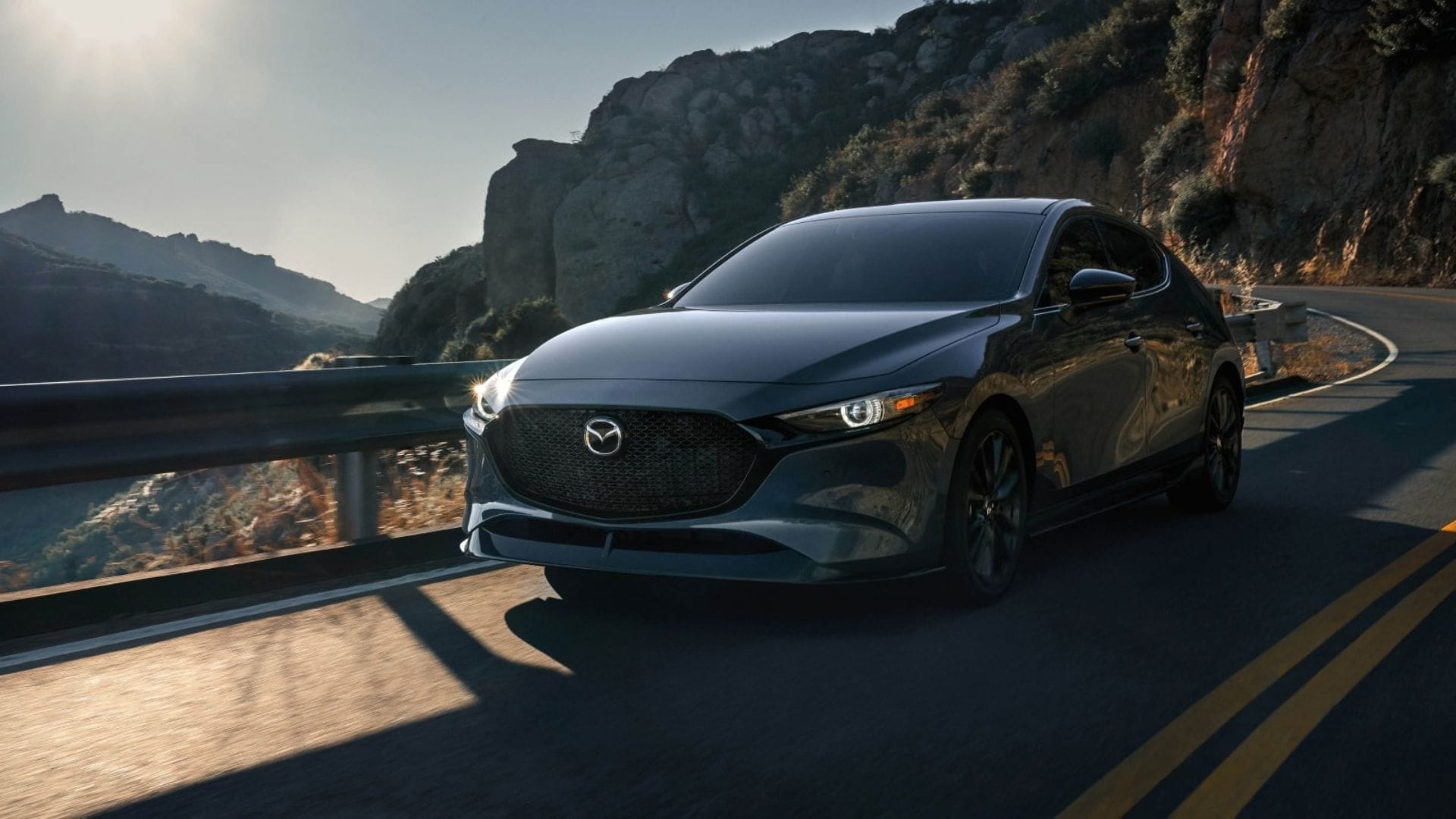
Wellesley Mazda, part of the Shaker Auto Group, knows that Route 128 and the other busy roads around Wellesley, Newton, Needham, Natick, Brookline, and the greater Boston MetroWest area can demand a driver’s full attention. Mazda driver assistance technology, including Lane Keep Assist within the i-Activsense safety suite, can provide an extra layer of support during highway travel, helping drivers respond to unintentional lane drifting while staying engaged behind the wheel.
Key Takeaways
- Lane Keep Assist can provide gentle steering support when it senses an unintentional lane departure.
- Lane departure warning alerts the driver, while lane keeping assist can add steering assistance if drifting continues.
- Mazda models such as the Mazda3, CX-30, CX-5, CX-50, and CX-90 offer advanced safety features on many current configurations.
- Clear lane markings, appropriate speeds, weather, traffic conditions, and a clean forward-facing camera all affect system performance.
- Lane Keep Assist is a driver-support feature, not a substitute for attentive, hands-on driving.
What Does Lane Keep Assist Do on the Highway?
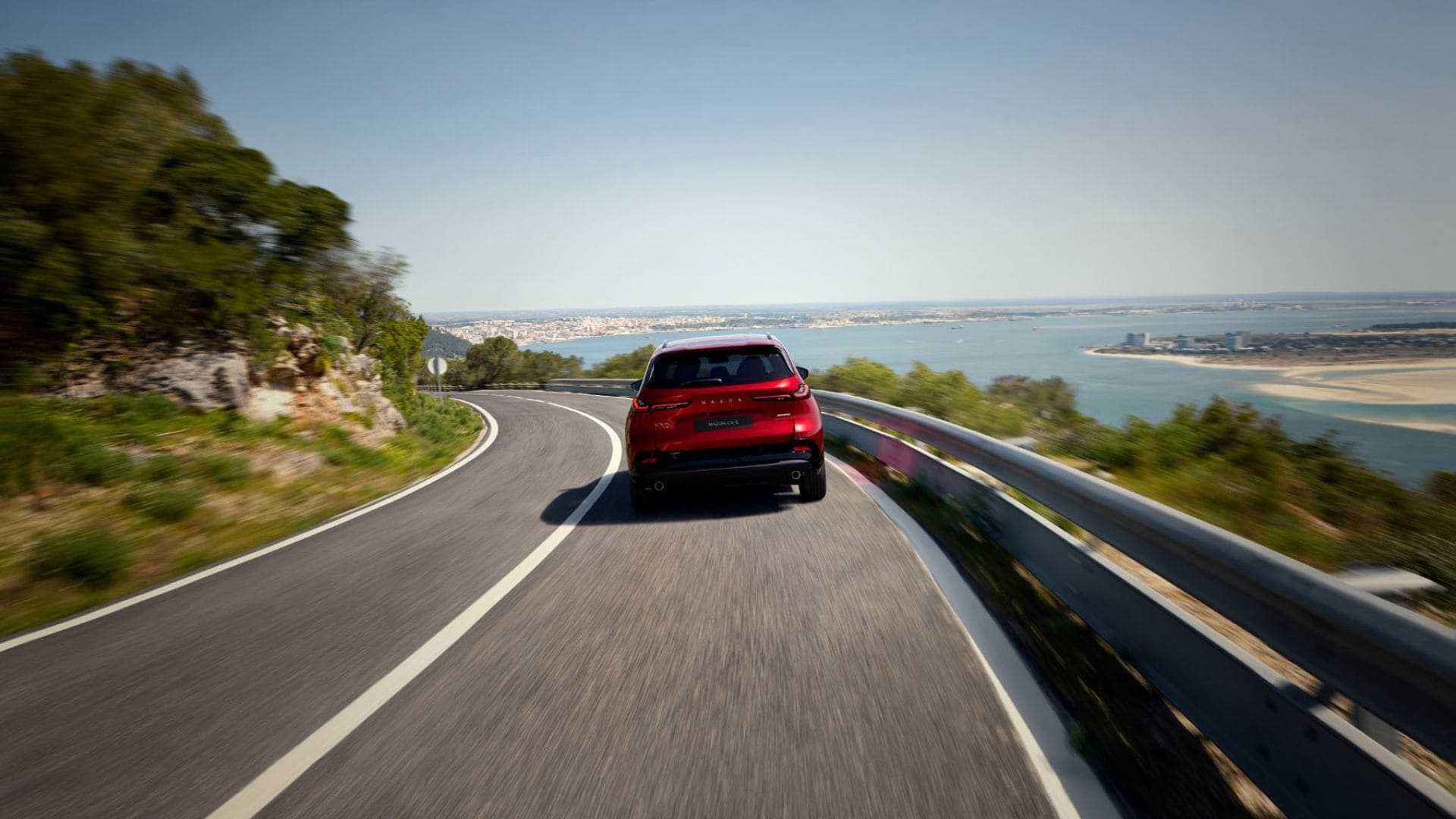
What does Lane Keep Assist do on the highway? In simple terms, the system is designed to help a driver stay within a marked travel lane when it detects that the vehicle may be unintentionally drifting toward or over a lane line.
Mazda Lane Keep Assist uses a forward-facing camera to monitor visible lane markings. If the system senses that the vehicle is moving toward the edge of the lane without a turn signal indicating an intended lane change, it can provide gentle steering input intended to guide the vehicle back toward the center of the lane. This support is especially helpful during long highway stretches, when normal fatigue, road vibration, bright sunlight, or momentary distraction can make it easier to drift slightly.
On roads such as Route 128, I-95, the Massachusetts Turnpike, and nearby commuter routes, traffic patterns can change quickly. Drivers may face merging vehicles, frequent lane changes, stop-and-go congestion, construction zones, and fast-moving traffic all within a short distance. Lane keeping assist does not take over driving, but it can give an attentive driver a useful prompt and a small measure of steering support when lane position begins to wander.
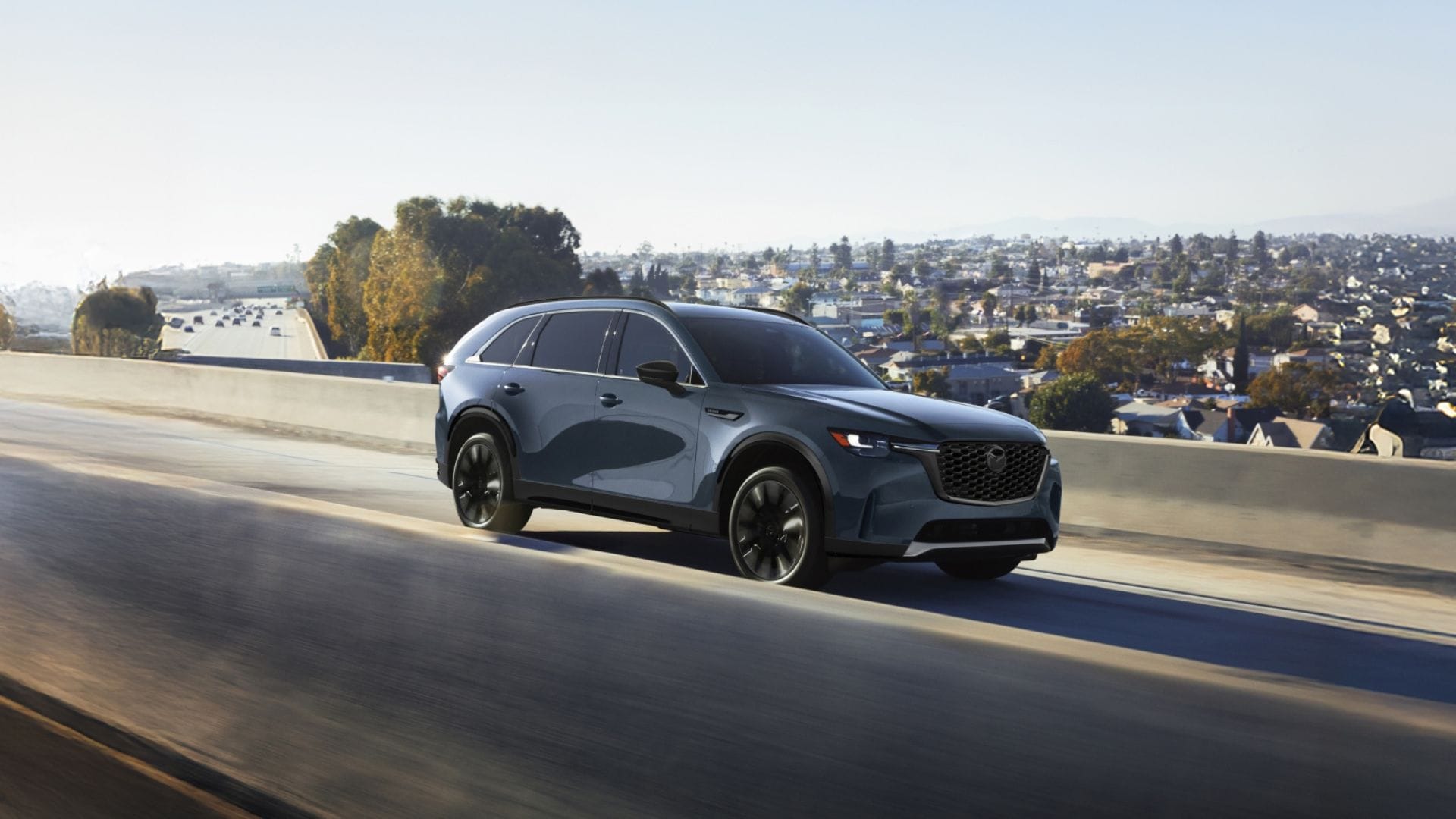
Mazda offers i-Activsense advanced safety features across much of its current lineup. Depending on the model and trim, shoppers may find Lane Departure Warning and Lane Keep Assist in vehicles ranging from the Mazda3 Sedan and Mazda3 Hatchback to the CX-30, CX-5, CX-50, CX-70, CX-90, and the Mazda CX-90 Plug-In Hybrid.
How Is Lane Keep Assist Different?
Lane Keep Assist and lane departure warning work together, but they serve different roles.
Lane departure warning is primarily an alert system. When it detects that the vehicle may be leaving its lane unintentionally, it can notify the driver through an audible alert, steering-wheel vibration, visual display, or a combination of these signals, depending on the Mazda model and configuration. The purpose is to bring the driver’s attention back to the lane position.
Lane Keep Assist goes a step further. If the system detects continued unintended drifting, it can add gentle steering assistance to help the driver guide the vehicle back toward the lane center. The driver remains responsible for steering, monitoring traffic, and controlling the vehicle at all times.
This distinction matters when comparing advanced safety features. A lane departure warning may tell you that a correction is needed. Lane Keep Assist may support that correction. Neither feature is designed to replace hands-on driving, and neither should be treated as an autonomous driving system.
For a daily commuter traveling between Wellesley and Boston, that difference can be meaningful. A brief warning may be enough to refocus after a long workday. Gentle steering support can add another level of reassurance when traffic is dense and lane lines are clearly visible.
How Does It Help in Heavy Traffic?
Can Lane Keep Assist reduce lane drifting on busy roads? It can help support lane discipline when operating conditions are suitable, particularly on well-marked highways where vehicles are moving steadily. On a congested stretch of Route 128, it may help a driver notice or correct a gradual movement toward the lane edge before it becomes a larger issue.
However, drivers should understand that heavy traffic can also create conditions where the system may offer limited support. Tight spacing between vehicles, frequent lane shifts, worn or obscured markings, temporary construction lanes, and sharp curves can affect how accurately the camera recognizes the road ahead. The most valuable approach is to treat Lane Keep Assist as an added aid, not as a feature that allows drivers to relax their attention.
Mazda vehicles are engineered to keep the driver involved. A Mazda CX-5 can be an appealing choice for commuters who want a versatile compact SUV, while the Mazda CX-50 may suit drivers who want a more rugged style and road-trip capability. The Mazda3 provides an engaging option for drivers seeking a compact sedan or hatchback for Boston MetroWest commuting. In each case, available driver assistance technology can help support more confident highway driving safety when used correctly.
If you are comparing Mazda cars for sale in Wellesley, we recommend getting behind the wheel and seeing how the technology feels in a real driving position. A test drive gives you the opportunity to explore the controls, visibility, driver displays, and available i-Activsense features in the Mazda model that fits your daily routine.
When Might It Not Work as Expected?
Lane Keep Assist depends on its ability to recognize lane markings and evaluate driving conditions. It may not operate as expected, or it may be temporarily unavailable, when lane lines are faded, covered by snow, interrupted by road work, blocked by glare, or difficult to see in rain, fog, or low light.
Other situations can include:
- Curving roads, narrow lanes, temporary travel lanes, or construction zones.
- Roads with missing, uneven, or confusing lane markings.
- Heavy rain, snow, fog, or windshield conditions that limit camera visibility.
- A dirty, obstructed, or damaged forward-facing camera area.
- Improper tire pressure, mismatched tires, or vehicle conditions that affect handling.
- Intentional lane changes, particularly when the turn signal is used.
It is also important to remember that the system may not recognize every situation. Drivers should keep both hands on the wheel, maintain a safe following distance, scan mirrors regularly, and adjust speed for weather and traffic. For more context on vehicle evaluation, shoppers can review crash-test information and highway driving considerations while comparing the Mazda models that interest them.
Explore Mazda Safety in Wellesley
At Wellesley Mazda, part of the Shaker Auto Group, we help local drivers compare current Mazda models and understand the safety technology available on different trims. Whether you commute through Needham, head into Boston, travel around Newton, or regularly navigate Route 128, Lane Keep Assist can be a valuable part of a broader safe-driving routine.
Browse our current selection of Mazda vehicles in stock, compare the available i-Activsense features, and schedule a test drive at Wellesley Mazda in Wellesley. Our team at Wellesley Mazda and the Shaker Auto Group is ready to help you find a Mazda that supports your commute with thoughtful technology, responsive driving dynamics, and the confidence to handle busy Massachusetts roads. Visit us today.
*Penned by AI, polished by humans
