
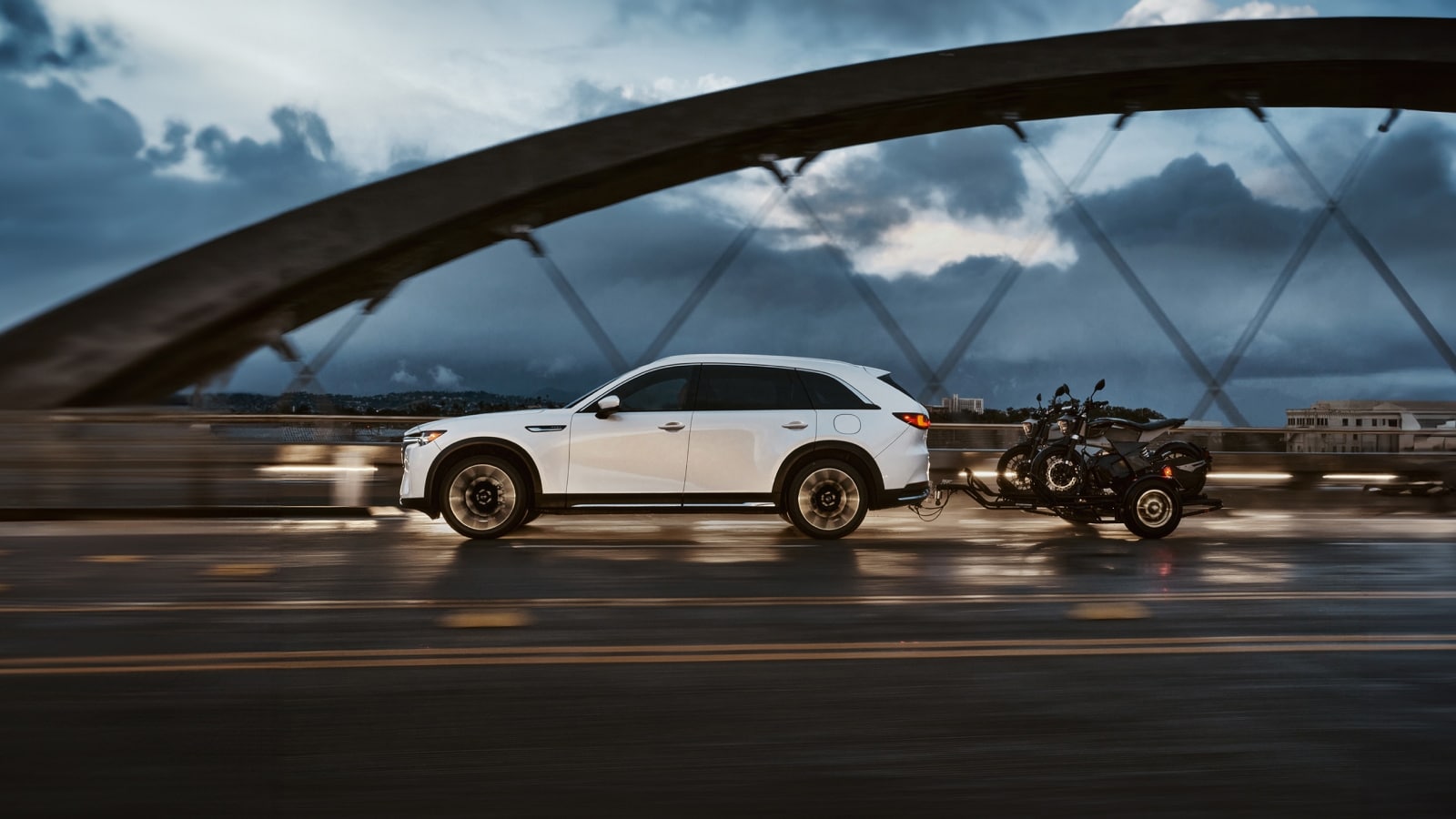
A Mass Pike commute can shift quickly from open pavement to tightly packed traffic, especially between Wellesley, Newton, Natick, and Boston. At Wellesley Mazda, part of Shaker Auto Group, we help local drivers explore Mazda technology that can make repetitive highway driving feel more manageable, including Mazda Radar Cruise Control with Stop & Go as part of the available i-Activsense driver-assistance suite.
Key Takeaways
- Adaptive cruise control can adjust vehicle speed to help maintain a selected following distance in changing highway traffic.
- Mazda Radar Cruise Control with Stop & Go can be especially useful during stop-and-go traffic on a highway commute.
- The feature does not replace an attentive driver, braking when needed, or safe judgment in difficult conditions.
- Current Mazda SUVs and crossovers may offer Mazda Radar Cruise Control, depending on the model and trim.
- A test drive at Wellesley Mazda can help commuters decide which Mazda safety and convenience features fit their daily drive.
What Does Adaptive Cruise Control Do in Heavy Traffic?
Standard cruise control is designed to maintain a speed selected by the driver. That can be helpful when traffic is light and consistent, but it is less practical on a congested Massachusetts Turnpike commute where vehicles frequently slow, accelerate, and stop.
Adaptive cruise control adds an extra layer of assistance. In Mazda vehicles equipped with Mazda Radar Cruise Control with Stop & Go, the system monitors traffic ahead and can adjust your vehicle’s speed to help maintain the following distance you selected. When the vehicle ahead slows, the system can reduce speed. When traffic begins moving again, it can assist with resuming the flow of the drive under the conditions described in the vehicle’s owner’s manual.
For many drivers traveling from Wellesley toward Newton, Needham, Brookline, or downtown Boston, the benefit is not about handing over control. It is about reducing the constant accelerator-and-brake routine that can contribute to commute fatigue. You still steer, observe the road, watch for changing conditions, and remain fully responsible for operating the vehicle.
Can It Help on a Congested Highway Commute?
Yes, adaptive cruise control can be a useful convenience feature during a highway commute when traffic is moving predictably within the same lane. It may help smooth the routine speed adjustments that happen when congestion builds around interchanges, tolling areas, and busy MetroWest travel corridors.
Imagine a morning drive on the Mass Pike where traffic begins moving at highway speed, then compresses into slower waves near Boston. Rather than repeatedly resetting conventional cruise control or continuously modulating the accelerator, Mazda Radar Cruise Control with Stop & Go can assist with maintaining a selected gap behind the traffic ahead. That can make the drive feel less demanding, particularly on familiar stretches of limited-access highway.
Mazda’s approach to driver assistance is part of i-Activsense, a collection of technologies designed to support driver awareness and confidence. Available systems vary by model and trim, but shoppers considering Mazda safety features often compare radar cruise control with features such as Blind Spot Monitoring, Lane Departure Warning, Lane-keep Assist, and Smart Brake Support.
At Wellesley Mazda, we know that technology is only one part of choosing the best cars for commuting around Boston MetroWest. Seat comfort, outward visibility, cabin space, all-weather capability, fuel preferences, and your normal passenger load matter just as much.
How Is It Different From Cruise Control?
The key difference is how the system responds to a slower vehicle ahead.
Mazda calls its system Mazda Radar Cruise Control, often shortened to MRCC. On appropriately equipped models, the Stop & Go function expands its usefulness for traffic that does not maintain a steady speed. This is different from a fully autonomous driving feature. The driver must stay alert, keep hands ready for control, monitor traffic, and intervene immediately when necessary.
That distinction matters on the Mass Pike. Lane changes, merging vehicles, sudden braking, weather, road construction, curves, and inconsistent traffic behavior all require a driver’s active attention.
When Should You Avoid Relying on It?
Adaptive cruise control is a driver-assistance system, not a substitute for safe driving. We recommend using it only when road, traffic, and weather conditions allow you to operate safely and remain prepared to take over without delay.
Avoid relying on the system in situations such as:
-
Heavy rain, snow, ice, fog, or other conditions that reduce tire grip or visibility.
-
Construction zones, narrow lanes, sharp curves, or complex highway entrances and exits.
-
Stop-and-go conditions where drivers are cutting in frequently or traffic behavior is unpredictable.
-
Situations where sensor visibility could be compromised by dirt, snow, ice, or vehicle damage.
-
Any time you feel fatigued, distracted, unwell, or unable to give the road your full attention.
The system may not detect every object, vehicle movement, or traffic situation as a driver would. Always follow the instructions and limitations in the owner’s manual for your specific Mazda model. For a more complete ownership perspective, it is also helpful to consider understanding Mazda safety ratings alongside driver-assistance features when comparing vehicles.
Which Mazda Vehicles May Offer It?
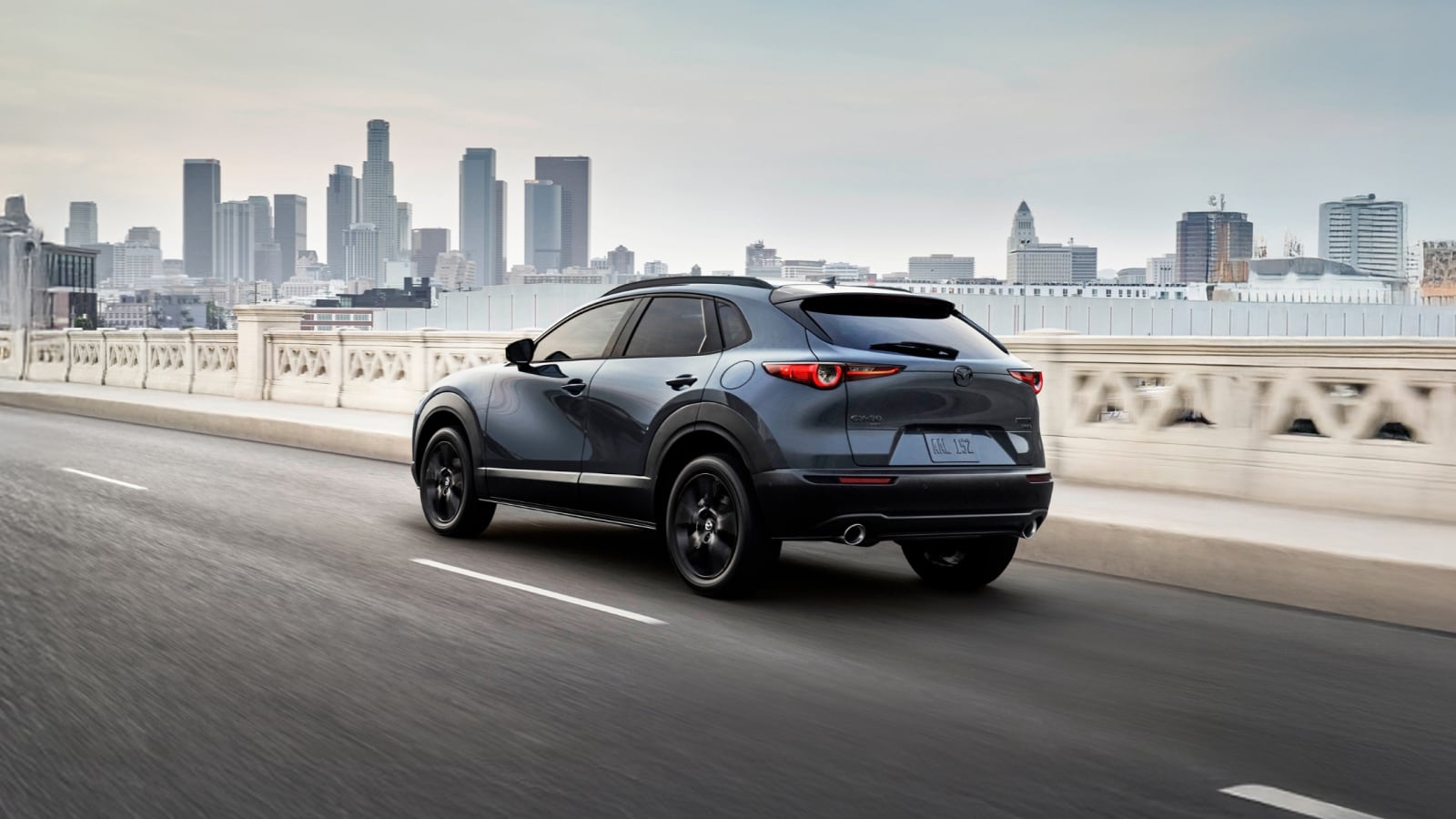
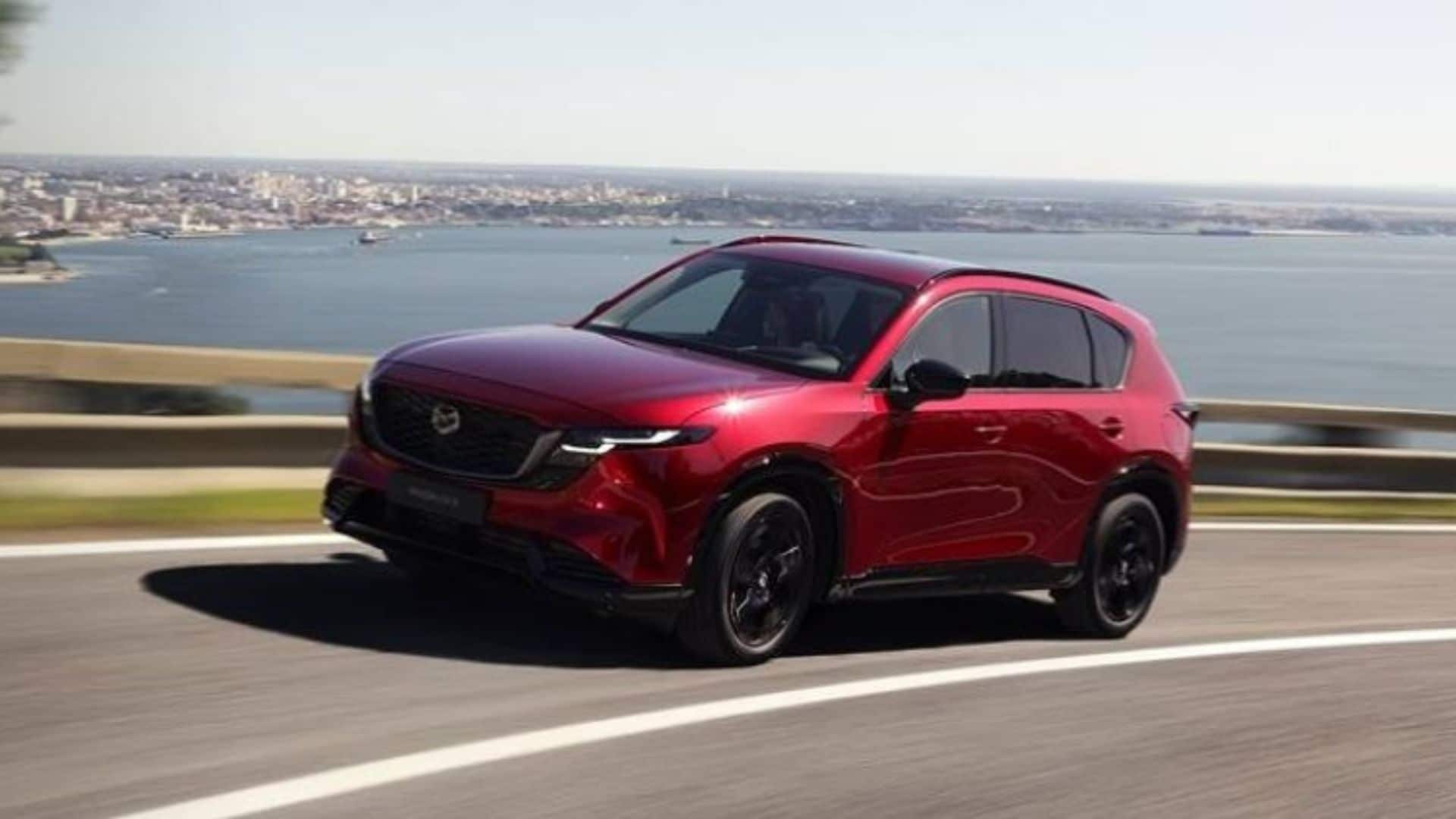
Mazda Radar Cruise Control availability depends on the model year, vehicle, and trim level, so the best approach is to review the exact equipment on the vehicle you are considering. Current Mazda shoppers may find this technology on select versions of popular vehicles such as the Mazda CX-30, Mazda CX-5, Mazda CX-50, Mazda CX-50 Hybrid, Mazda CX-70, Mazda CX-90, and Mazda CX-90 Plug-In Hybrid.
For example, the Mazda CX-5 and Mazda CX-50 are strong options for commuters seeking a compact SUV with a comfortable, versatile layout. The Mazda CX-30 can appeal to drivers who want a smaller crossover footprint for navigating Boston-area parking and daily errands. Larger households may prefer the Mazda CX-70 or three-row Mazda CX-90, especially when passenger room, cargo capacity, and available electrified powertrains are part of the decision.
Our current selection may include several Mazda SUVs with different i-Activsense feature packages. Browsing Mazda vehicles in stock at Wellesley Mazda, then scheduling a test drive, is a practical way to experience the controls, learn how the settings work, and compare the features that matter on your own highway commute. Our team can walk through the vehicle-specific equipment carefully, a local service standard drivers have come to expect from Shaker Auto Group.
Find a Commute-Ready Mazda in Wellesley
A driver-assistance feature cannot eliminate Mass Pike traffic, but Mazda Radar Cruise Control with Stop & Go may make the routine pace changes of a congested commute easier to manage when used correctly. Wellesley Mazda, part of Shaker Auto Group, invites drivers from Wellesley, Natick, Needham, Newton, Brookline, and the greater Boston MetroWest area to browse our current Mazda inventory, compare available safety technology, and schedule a test drive with a commute-ready Mazda that fits their daily routine. Visit us today.
*Penned by AI, polished by humans
