
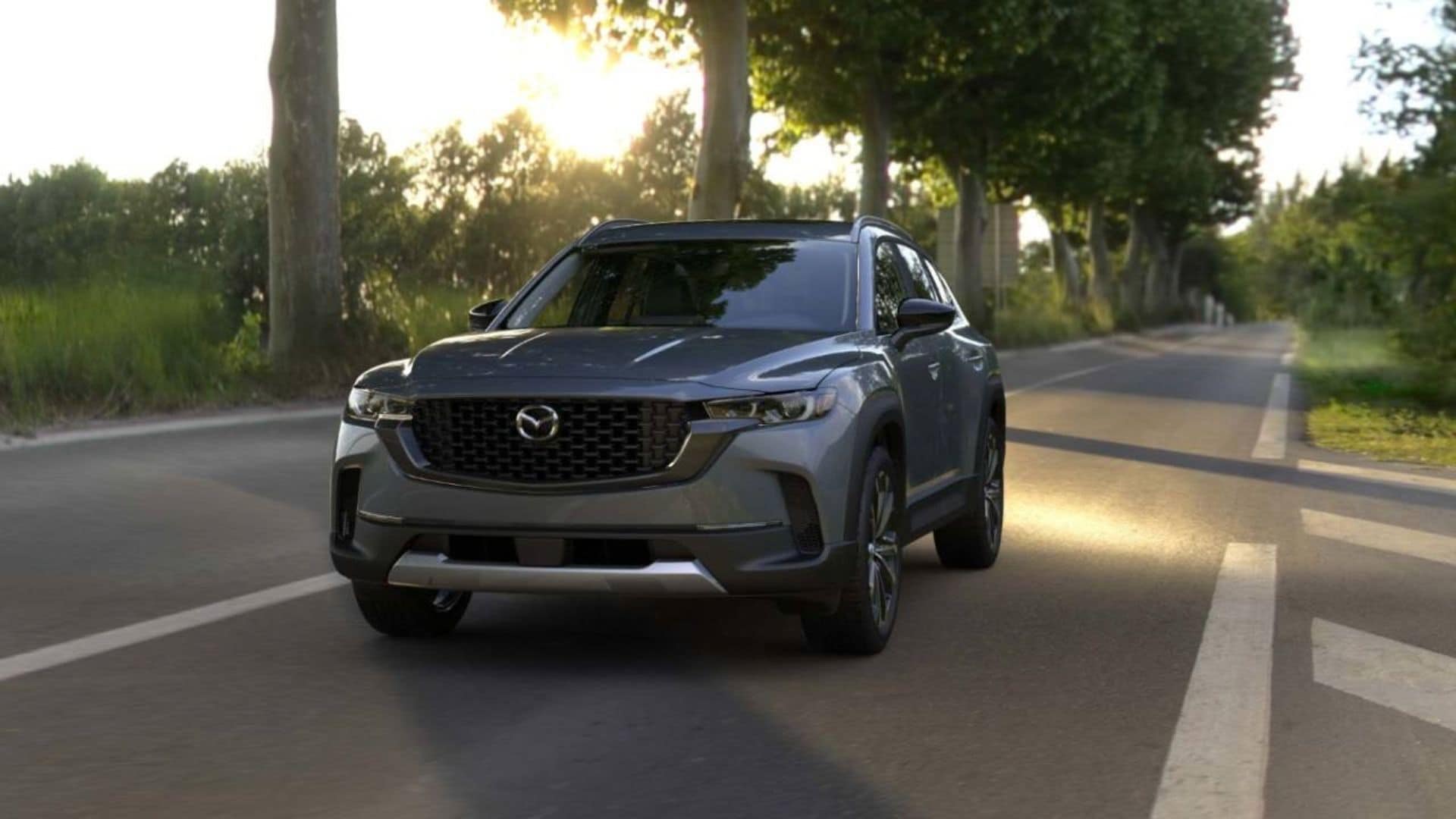
Parking around Wellesley’s town centers often means navigating busy lots, tight spaces, moving pedestrians, and vehicles passing behind you just as you begin to reverse. At Wellesley Mazda, part of the Shaker Auto Group, we know that confidence in those everyday moments matters, which is why Mazda Rear Cross Traffic Alert can be such a useful parking safety technology for local drivers.
Key Takeaways
- Rear Cross Traffic Alert can help detect vehicles approaching from the left or right while you are reversing out of a parking space.
- Mazda uses visual and audible warnings to help bring potential cross traffic to your attention.
- The feature supports, but never replaces, a driver’s active observation, careful backing, mirrors, and backup camera.
- Rear Cross Traffic Alert is different from a backup camera because it is designed to assist with detecting approaching cross traffic.
- Many current Mazda cars and SUVs offer this helpful driver assistance feature, depending on model and trim.
What does Rear Cross Traffic Alert do when backing out of a parking space?
Rear Cross Traffic Alert, often called RCTA, is designed to assist when you are backing out of a parking space. As you shift into Reverse, the system uses rear-facing radar sensors to monitor areas toward the rear left and rear right of your Mazda. If it identifies a vehicle approaching from either side, it can notify you with warning indicators and an audible alert.
That extra notice can be valuable when your view is limited by taller SUVs, vans, landscaping, parked vehicles, or the layout of a crowded parking lot. Think about backing out near Wellesley Square, Linden Street, or busy shopping areas around Natick and Needham. A vehicle may be traveling through the parking aisle before it is visible in your backup camera view or through the rear window. Rear Cross Traffic Alert can help draw your attention to that movement.
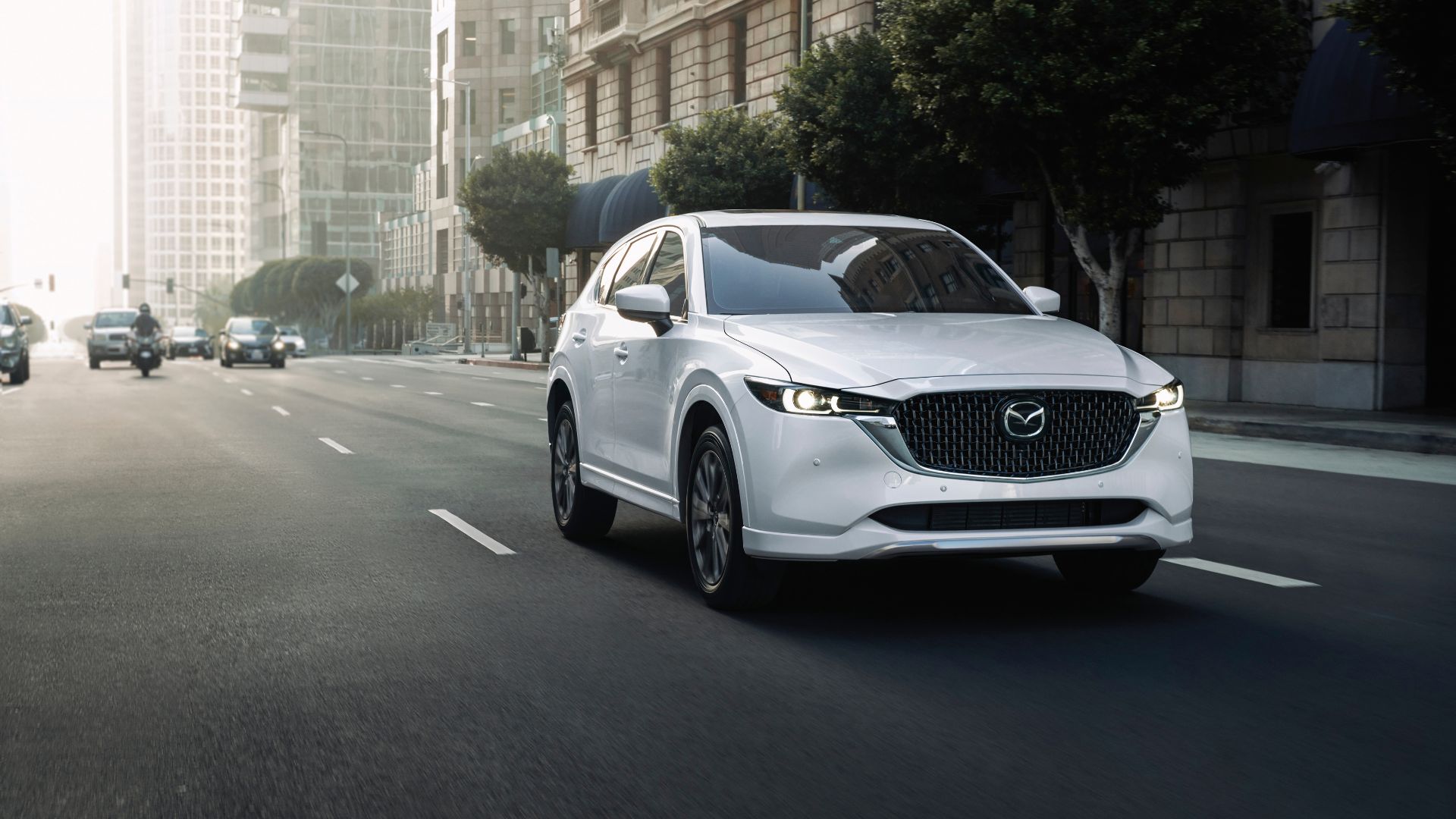
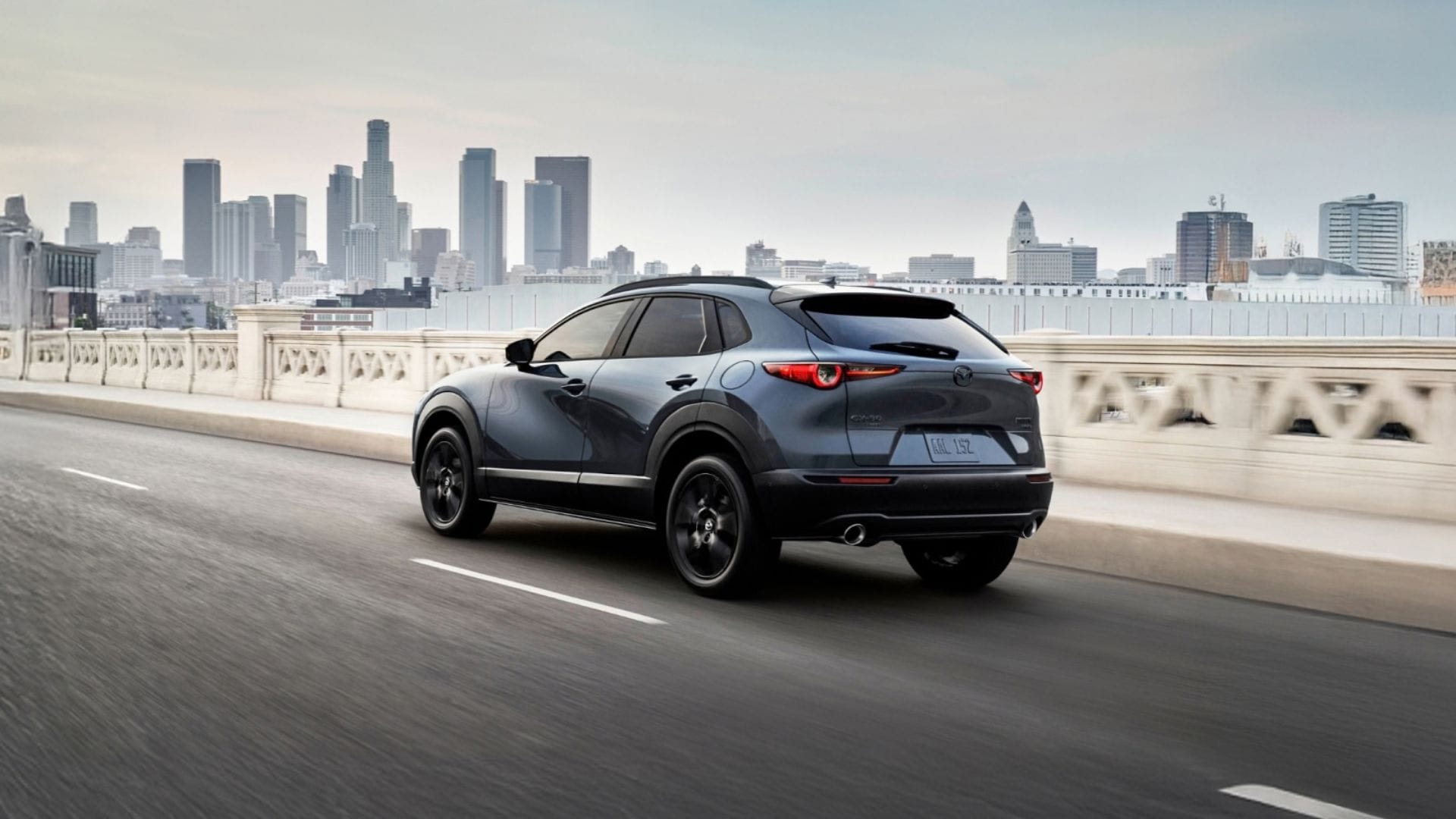
Mazda includes RCTA within its broader i-Activsense approach to driver assistance features. Depending on the vehicle and equipment, you may find the technology available on popular Mazda models such as the Mazda3 Sedan, Mazda3 Hatchback, Mazda CX-30, Mazda CX-5, Mazda CX-50, Mazda CX-70, and Mazda CX-90. Feature availability can vary by model year and trim, so we recommend confirming the equipment on a specific vehicle before making a purchase decision.
How can it assist Wellesley drivers?
Wellesley drivers encounter plenty of situations where blind spot awareness is especially important. The town’s walkable centers, school drop-off areas, restaurants, grocery stores, and commuter parking areas can create moments where vehicles, cyclists, and pedestrians are moving in multiple directions.
Rear Cross Traffic Alert is most helpful when a parked vehicle blocks your side-to-side view. For example, imagine you are leaving a space between two larger crossovers in a busy parking lot. You check your mirrors, activate the backup camera, look over both shoulders, and begin backing out slowly. If another vehicle approaches from the left or right behind you, the system may alert you, giving you another reason to pause, look again, and yield as needed.
This is not just a convenience feature. It is one more layer of awareness for the low-speed maneuvers that happen every day. Whether you commute toward Newton or Boston, run errands in Needham, or meet friends around Wellesley’s town centers, parking safety technology can make those transitions feel more manageable.
Rear Cross Traffic Alert also complements Blind Spot Monitoring. Blind Spot Monitoring is generally intended to assist when driving forward by notifying you of vehicles in adjacent lanes, while RCTA is designed to assist when your Mazda is in Reverse and cross traffic may be approaching behind the vehicle. Together, these systems can support more informed decisions during both highway travel and parking-lot maneuvering.
Is Rear Cross Traffic Alert the same as a backup camera?
No. A backup camera provides a rearward video view to help you see the area directly behind your vehicle. It is especially useful for checking parking lines, curbs, obstacles, and the immediate area behind the bumper. Rear Cross Traffic Alert, on the other hand, uses radar-based detection to help identify vehicles approaching across the path behind your Mazda.
The two technologies work well together, but they do different jobs:
- A backup camera helps you visually inspect what is directly behind your vehicle.
- Rear Cross Traffic Alert helps notify you when cross traffic may be approaching from the rear left or rear right.
- Your mirrors and shoulder checks remain essential for building a complete view around the vehicle.
- Your own judgment and control of the vehicle remain necessary at all times.
For this reason, even a well-equipped Mazda CX-5 or Mazda CX-30 should always be backed out slowly and attentively. The system is there to assist, not to take over the responsibility of checking your surroundings.
What are the limits of Rear Cross Traffic Alert?
Like all driver assistance features, Rear Cross Traffic Alert has limits. It may not detect every vehicle or object in every situation. System performance can be affected by blocked or dirty rear radar sensors, poor visibility, severe weather, certain traffic angles, obstructions, and conditions that limit what the sensors can detect.
RCTA is primarily intended to detect approaching vehicles while reversing. It is not a substitute for looking behind you, checking each side, watching for pedestrians, or responding to changing parking-lot conditions. It may also not provide a warning if an approaching vehicle is outside the system’s detection range, moving in an unusual path, or approaching directly from the rear rather than crossing behind you.
Drivers should also be aware that certain rear-mounted accessories, including some bicycle carriers or trailers, can interfere with the sensors. If you tow or use cargo accessories frequently, consult your owner’s manual and ensure the system is set up appropriately for your vehicle. Mazda’s own guidance notes that RCTA can be affected when the rear side radar sensors cannot properly detect an object, and the system may not work normally in some reversing or approach scenarios.
How do you use it safely when parking?
The safest way to use Rear Cross Traffic Alert is to treat it as an additional warning system within a complete parking routine.
-
Shift into Reverse and confirm the area immediately behind your Mazda using the backup camera and rear window.
-
Check both mirrors and look over your shoulders before moving.
-
Reverse slowly, especially when parked between larger vehicles or near foot traffic.
-
If an RCTA warning appears or you hear an alert, stop if it is safe to do so, look again, and allow cross traffic to pass.
-
Keep the rear bumper area clean and clear of items that could obstruct radar sensors.
-
Review your owner’s manual to understand the exact operation, settings, and limitations of the system in your Mazda.
If you are comparing Mazda safety features, our team can help you review available models and explain how their equipment differs. You can browse our current selection, compare vehicles in stock, and schedule a test drive to see how Mazda driver assistance features fit into your everyday routine. For additional context, explore our guide to understanding Mazda safety recognition and driver-assistance technology.
Find Mazda safety technology in Wellesley
Rear Cross Traffic Alert can provide useful extra awareness when parking around Wellesley, but its real value comes from pairing it with alert, careful driving habits. Visit Wellesley Mazda, part of the Shaker Auto Group, to explore current Mazda vehicles on our lot, compare available safety technology, and schedule a test drive with a team that understands the driving and parking needs of the Boston MetroWest area.
*Penned by AI, polished by humans
